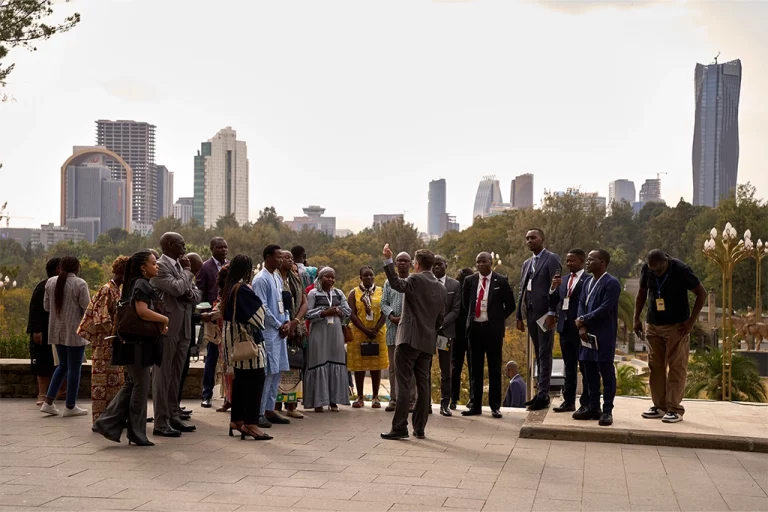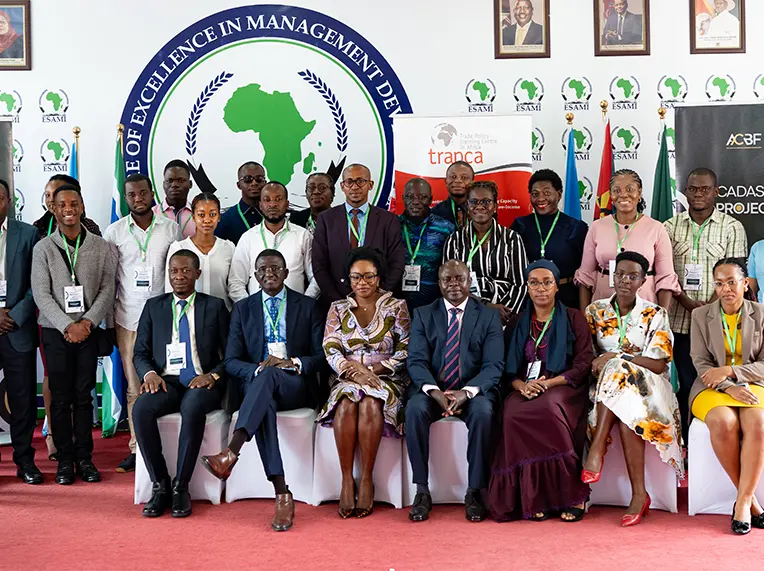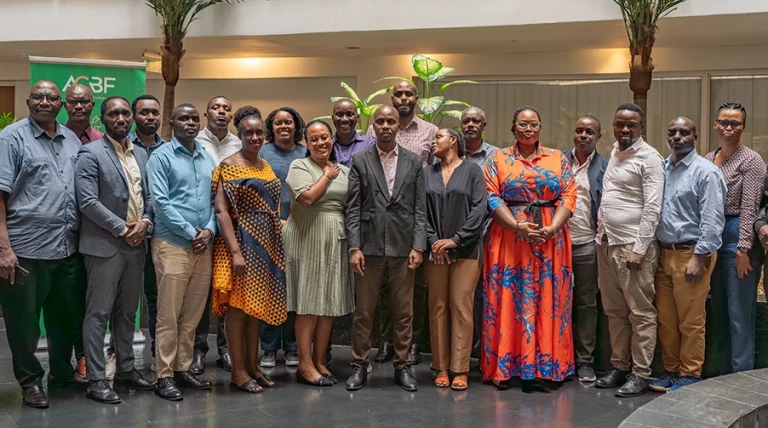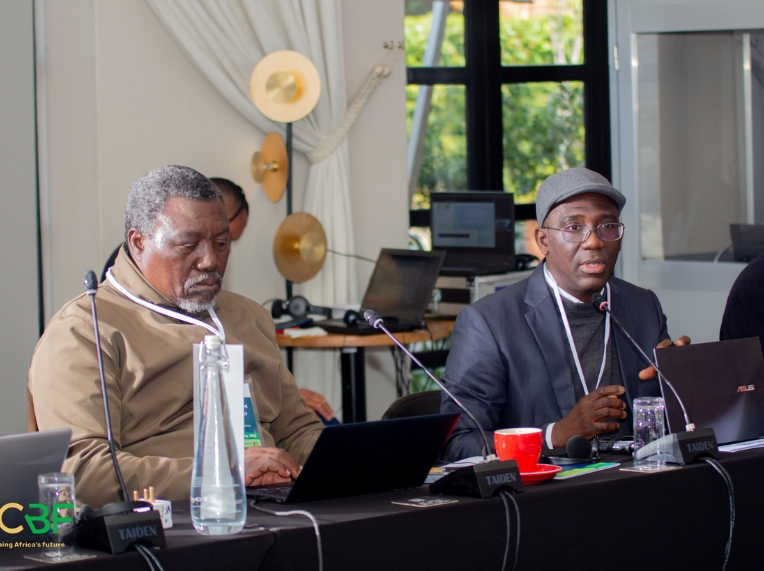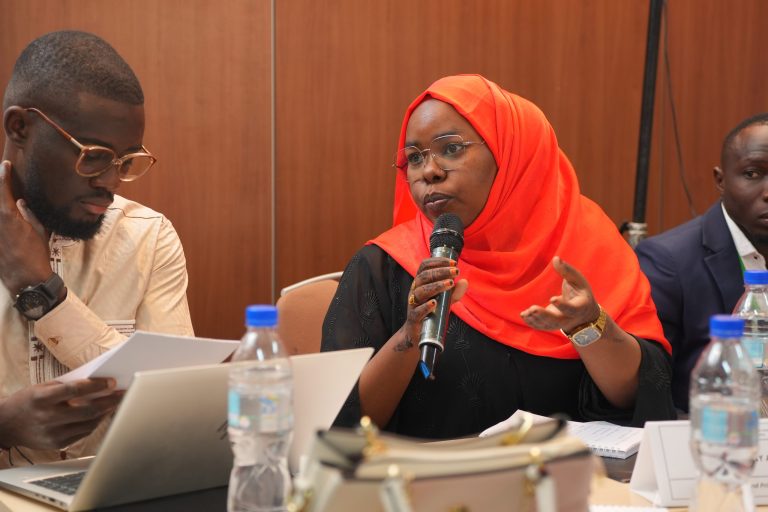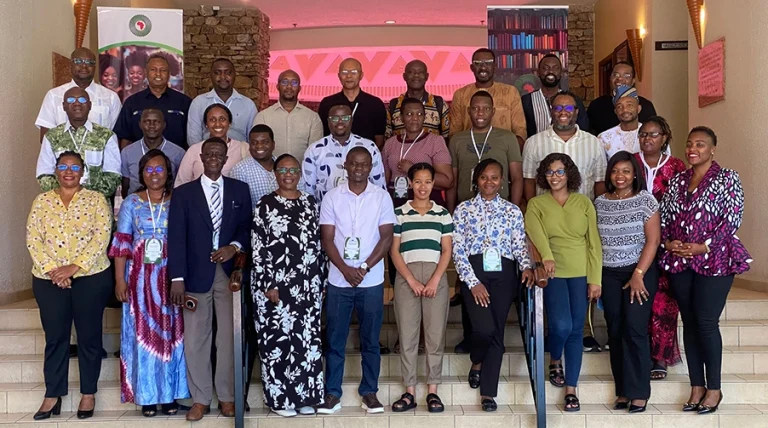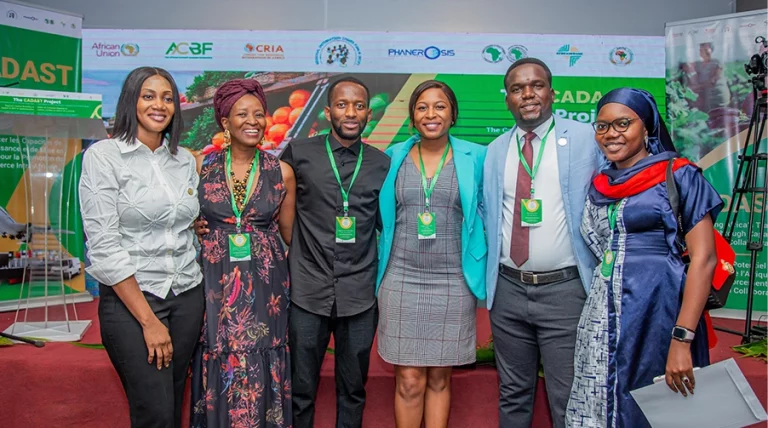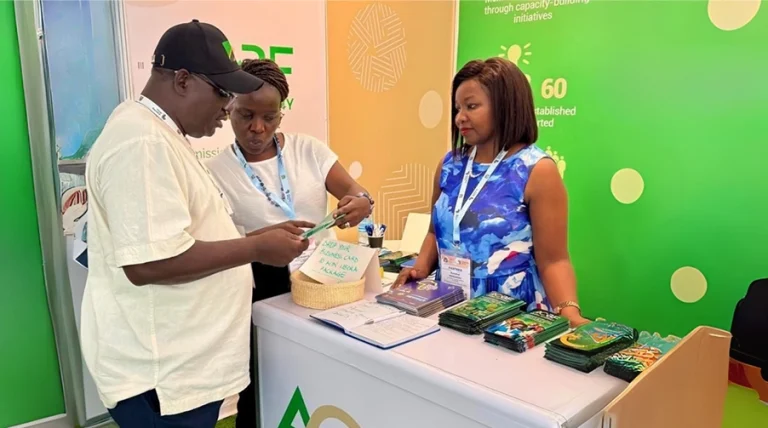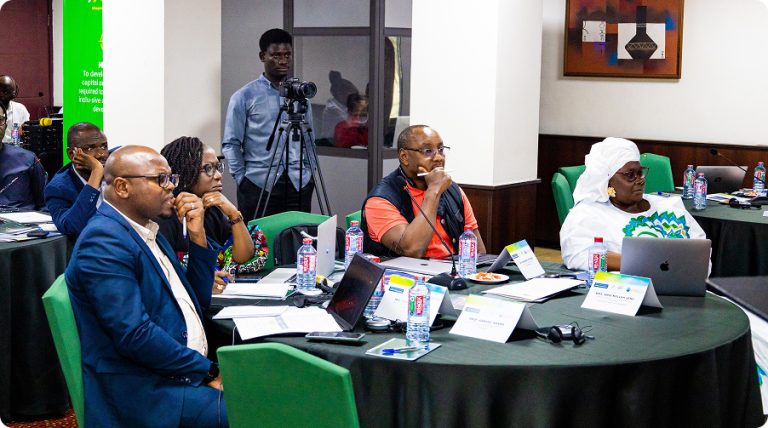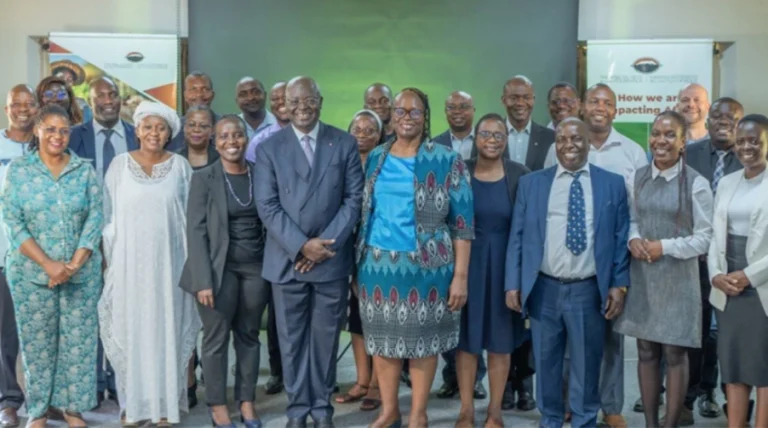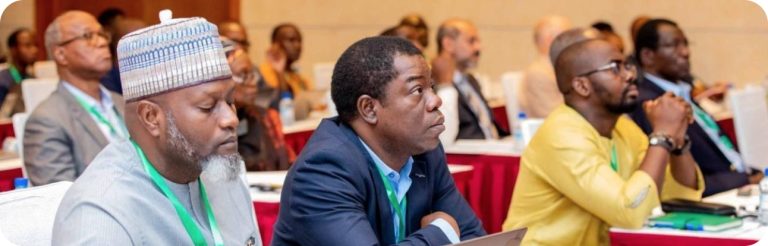
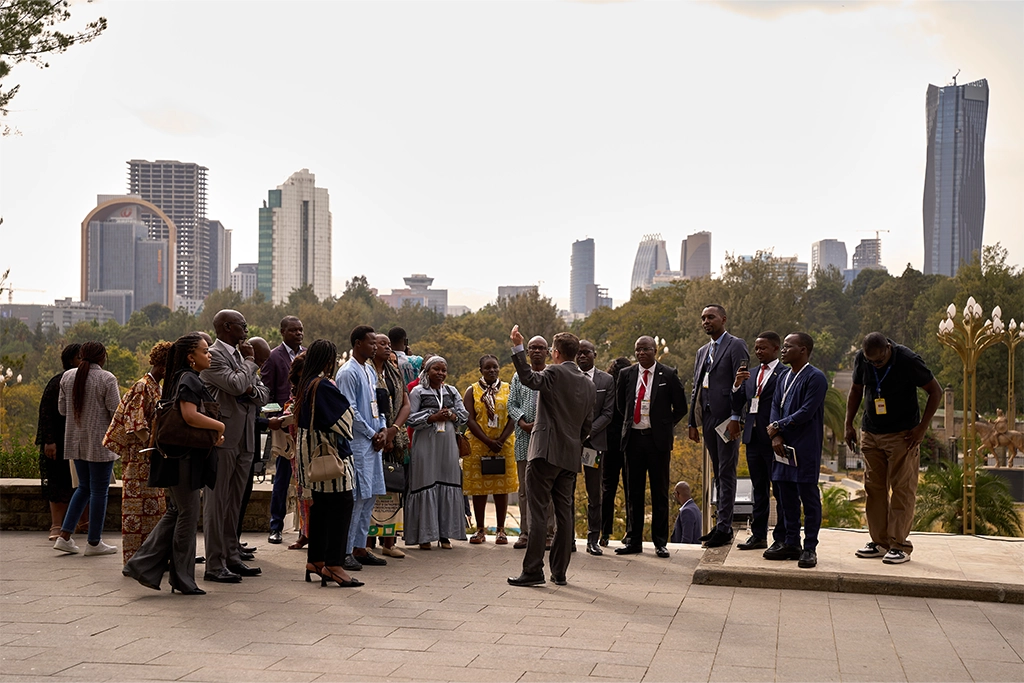
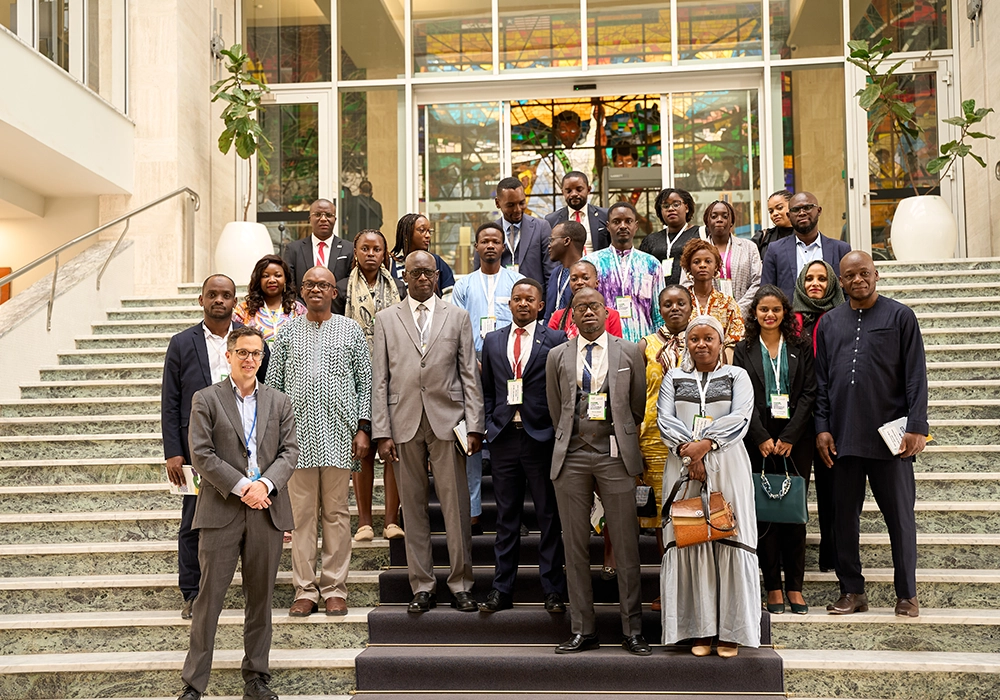
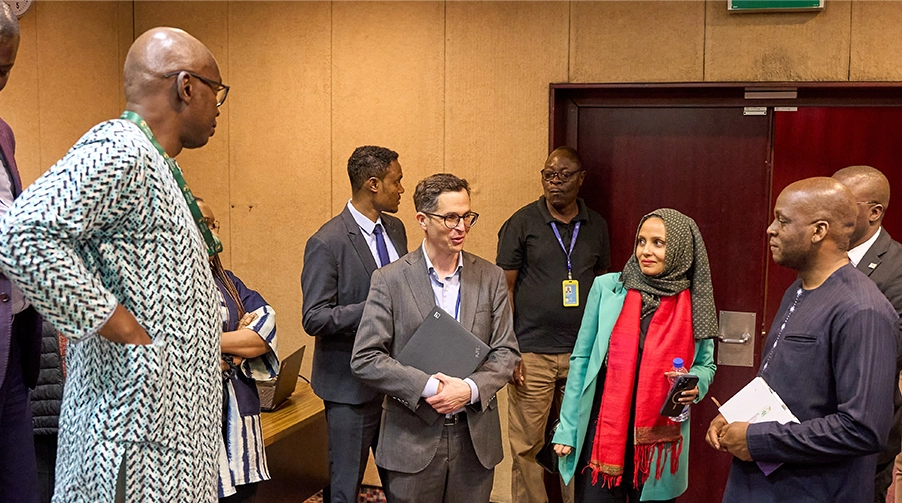
The three-day training, held in Addis Ababa, Ethiopia from Nov. 26 to 28, 2025, brought together 18 young African francophone professionals for classroom sessions and institutional immersion at the United Nations Economic Commission for Africa and the African Union Commission as well as exchanges with the group of ambassadors from African French-speaking countries in Addis Ababa.
The program was delivered as the second cohort under the partnership between the African Capacity Building Foundation (ACBF) and the Organisation Internationale de la Francophonie (OIF).
Participants represented a broad cross-section of the continent, spanning West, Central, East, and Southern Africa, with professionals drawn from countries including Benin, Burkina Faso, Burundi, Cameroon, Comoros, Congo, the Democratic Republic of the Congo, Côte d’Ivoire, Gabon, Guinea, Equatorial Guinea, Mali, Mauritius, Mozambique, Niger, Senegal, Chad, and Togo.
The clinic was designed to strengthen participants’ understanding of the multilateral system and international cooperation mechanisms, particularly those led by the Francophonie, the African Union, and the United Nations.
Pape Félou Diallo, an ACBF trainer and expert who facilitated the workshop, said the approach reflects a shift from locally bounded entrepreneurship toward models that operate across institutional and geographic boundaries.
He added that the institutional visits marked a key innovation of the program’s second edition.
We are no longer talking about entrepreneurship limited to a single country or a narrow space, but entrepreneurship that operates within a broader multilateral environment,
Pape Félou Diallo,
ACBF Trainer and Expert
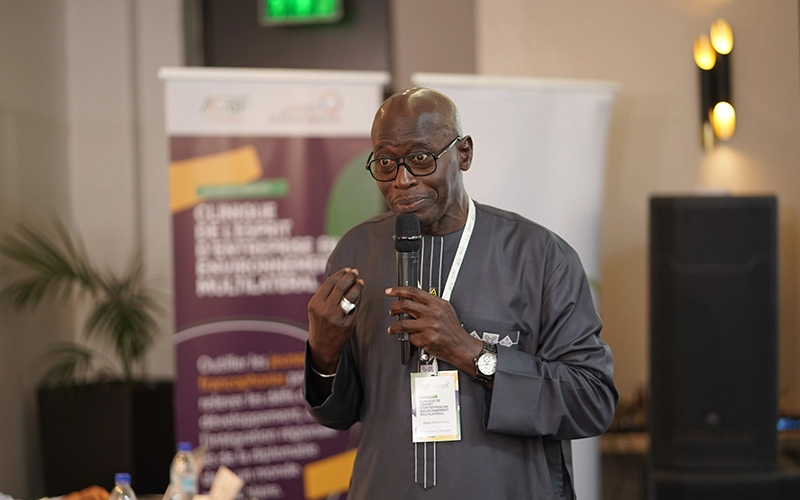
The training combines entrepreneurship, diplomacy, governance, communication, and project management with direct exposure to institutions that shape continental policy and decision-making.
Addis Ababa, home to the African Union and several United Nations agencies, provided a practical learning environment. Participants were able to observe how multilateral institutions operate beyond public summits and official statements, gaining insight into internal coordination, negotiation processes, and institutional dynamics.
Translating Learning into Leadership
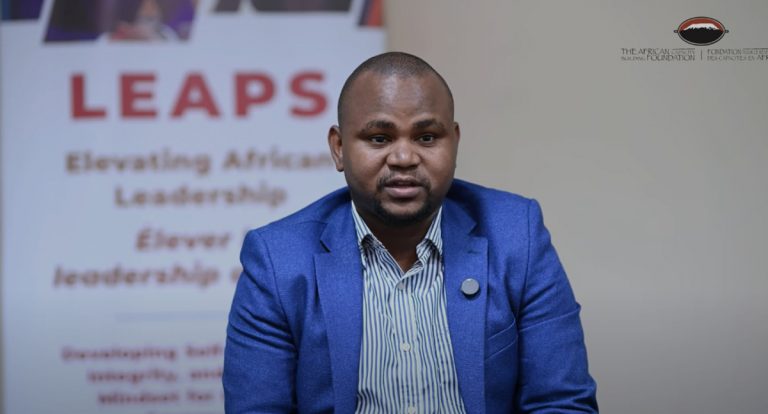
Lacine Diabaté, a participant from Mali who works as a communications and marketing manager in Bamako, said the training reshaped how he approaches leadership and decision-making in institutional settings.
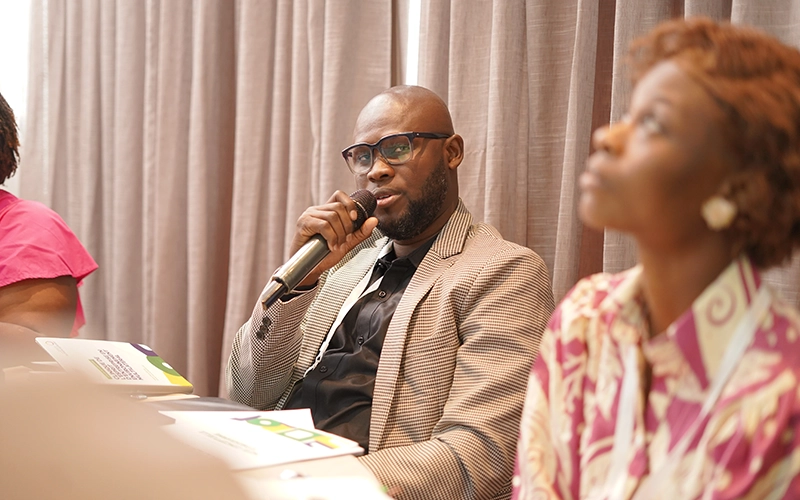
The program reshaped my understanding of leadership as a mindset focused on transformation, resilience, and the ability to mobilise others. It is no longer about position, but about how you respond to constraints and create impact.
Lacine Diabaté
Communications and Marketing Manager in Bamako
He said this shift has influenced how he manages teams, communicates with stakeholders, and analyses organisational challenges in his day-to-day work.
“The training strengthened my ability to turn constraints into opportunities and to act with a clearer sense of purpose in complex institutional environments,” he said.
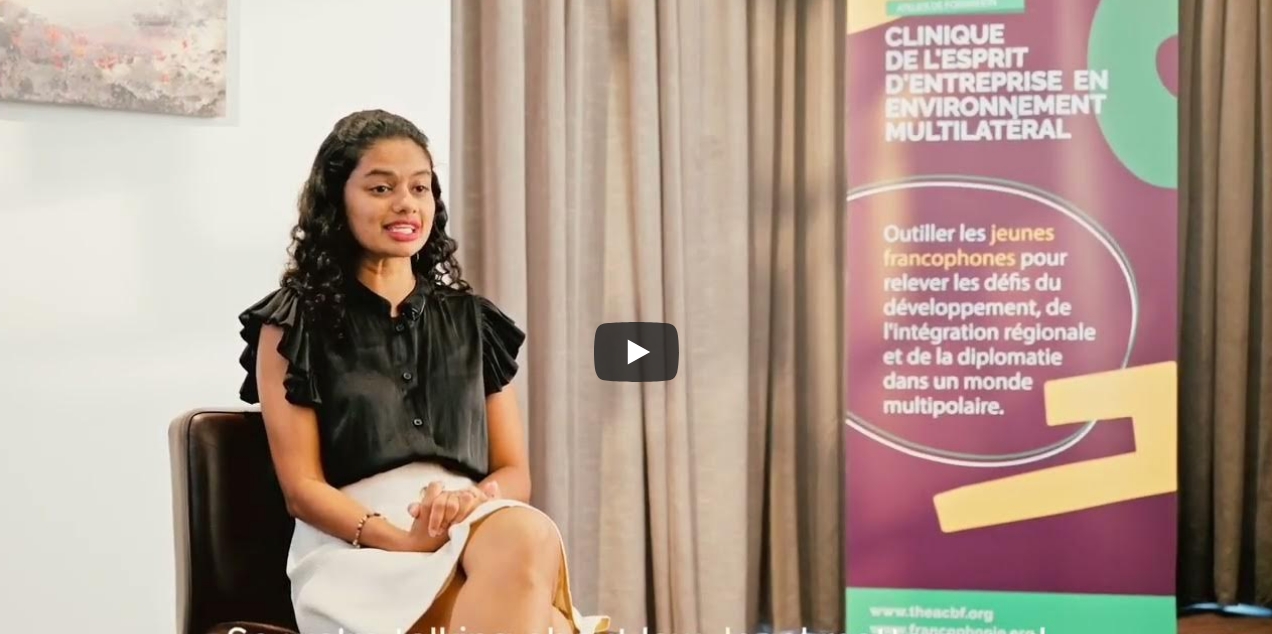
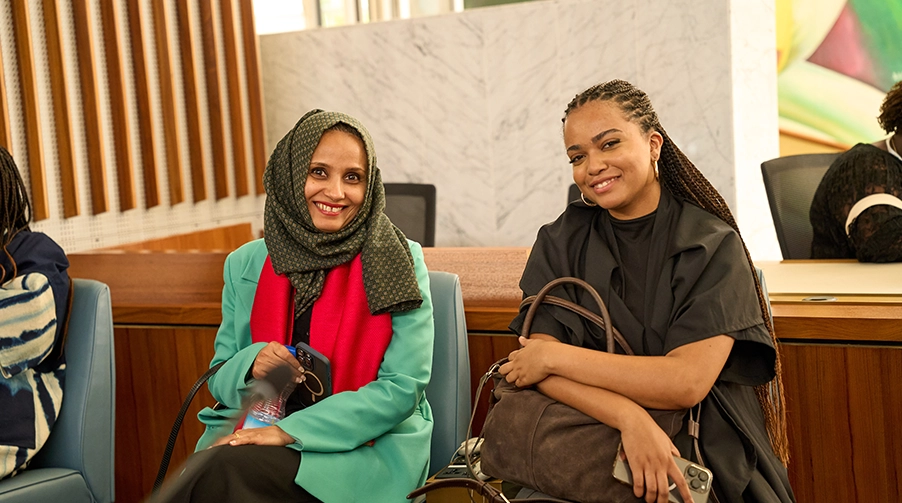
For Selvana Mootien, a Mauritian program officer at the Indian Ocean Rim Association (IORA), the program’s value lay in its practical exposure to institutions she had previously encountered largely through academic study.
Understanding Multilateralism in Practice
Seeing how these institutions operate from the inside helps you understand the backstage of multilateral organisations, where the work happens beyond summits, ministerial meetings, and communiqués,
Selvana Mootien
Program Officer at the Indian Ocean Rim Association (IORA)
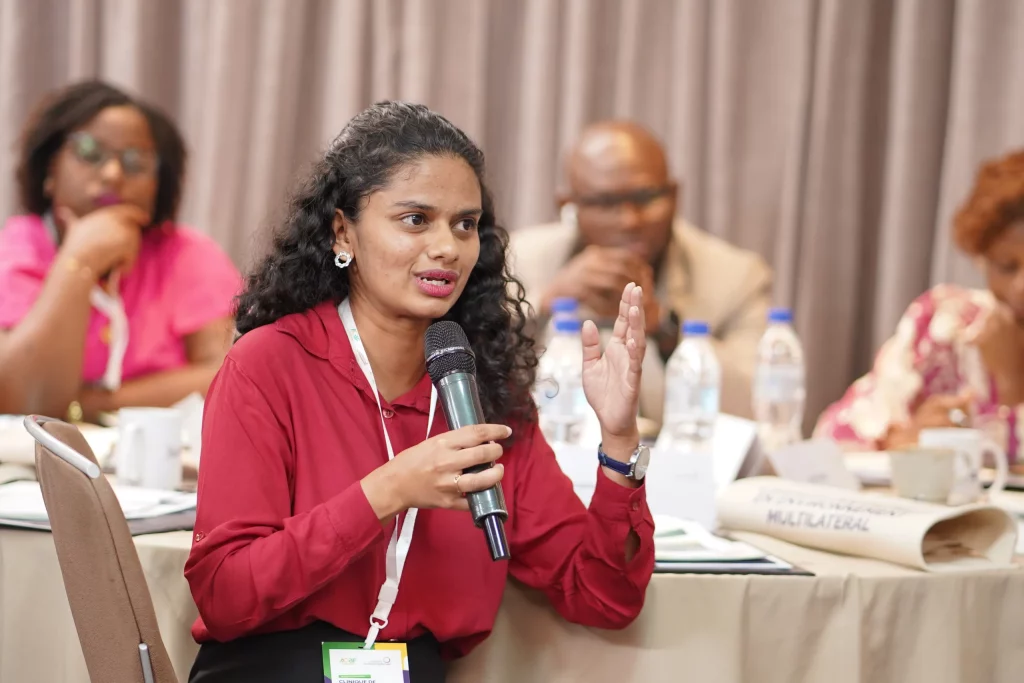
She said the immersion sessions at the African Union Commission and the United Nations Economic Commission for Africa as well as the exchanges with the group of ambassadors, changed her perception of multilateralism at a time when its relevance is increasingly questioned globally.
“It allowed me to see the potential of multilateral institutions more clearly, especially in a context where bilateral approaches are often presented as alternatives,” she said.
Mootien said the training is already influencing her current professional work. In her role within institutional governance, she said a clearer understanding of African Union structures and decision-making processes has improved how she analyses cooperation frameworks and interactions between the African Union and Regional Economic Communities. This, she said, is informing how she assesses potential areas of collaboration in ongoing work.
She also highlighted the importance of the program’s location, noting that Addis Ababa’s concentration of continental institutions, diplomatic missions, and international organisations reinforced immersion and learning.
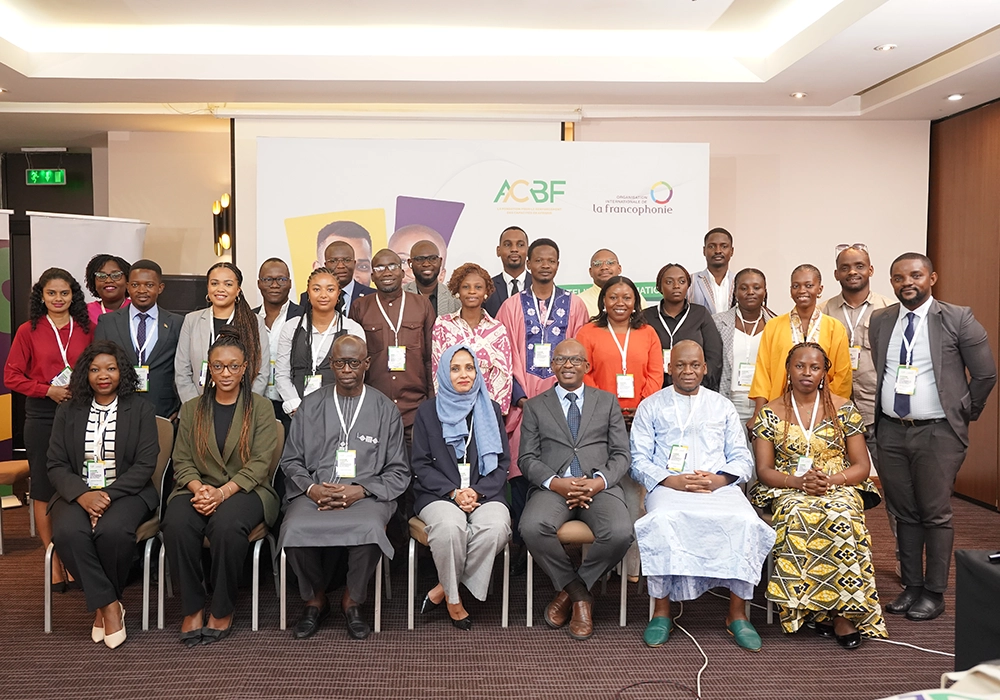
Both participants said the training strengthened their interest in governance, regional integration, and institutional cooperation.
Diabaté said the exposure reinforced his ambition to contribute to improved legal and economic frameworks by drawing on multilateral experience.
Mootien said the training reinforced the need to make careers in diplomacy and multilateral institutions more visible and accessible to young people, particularly in francophone and island states.
The program aligns with the African Union’s Agenda 2063, which emphasises capable institutions, skilled human capital, and youth participation as pillars of Africa’s long-term development.
Preparing Young Professionals for Multilateral Leadership
Building the capacity of young professionals to operate effectively in multilateral environments is essential as the continent navigates a more complex and multipolar global order.
At the conclusion of the training, participants had acquired skills to operate in multilateral settings and to develop innovative solutions that reflect cultural and linguistic diversity.
They also established professional networks that enable collaboration and knowledge-sharing across countries and institutions.
According to Diallo, participant engagement remained consistently high across all sessions, with trainees actively contributing to discussions and practical exercises.
He added that the next phase of the program should include structured post-training follow-up, mentoring, and stronger links between current and former participants to support long-term impact.
Ruramai Marandu, a program associate at ACBF, said the institutional visits were among the most impactful elements of the clinic.
Seeing participants engage directly with the African Union Commission and the UN Economic Commission for Africa was a powerful moment. Even within a short time, the program is already shaping how they see their future careers, entrepreneurial paths, and engagement with multilateral institutions.
Ruramai Marandu
Program Associate at ACBF

Program Officer at the Indian Ocean Rim Association (IORA)
In this video, participants share their success stories and projects developed with the support of ACBF