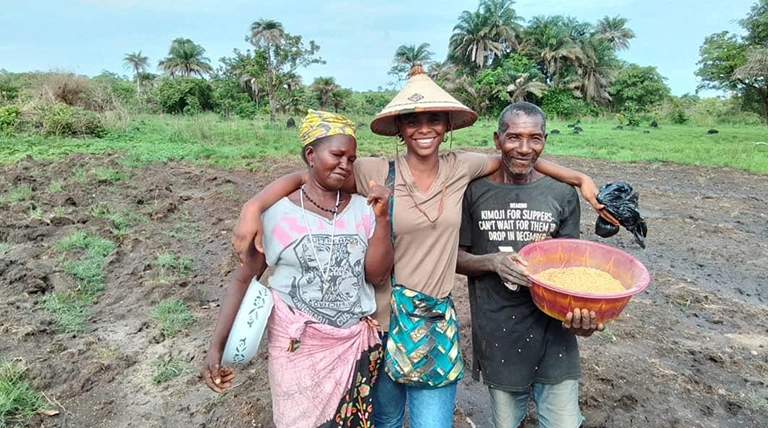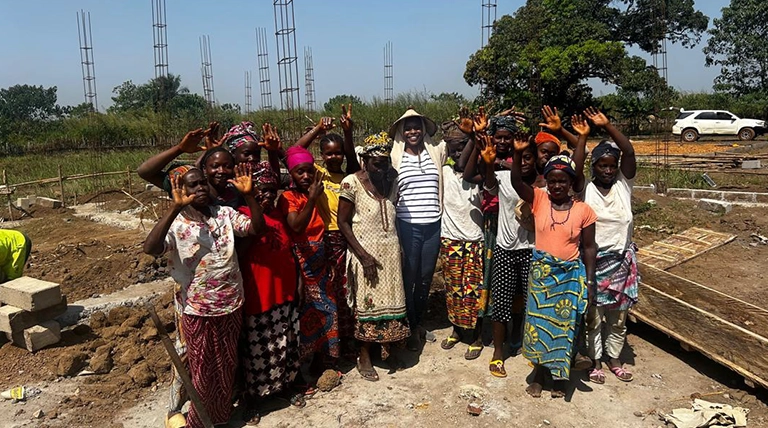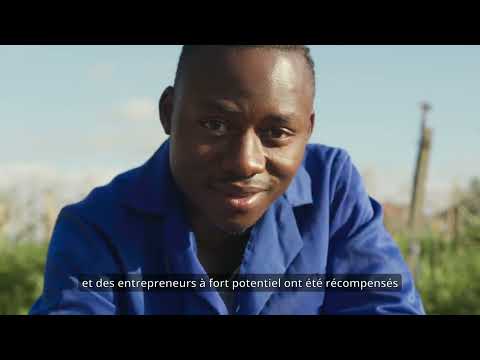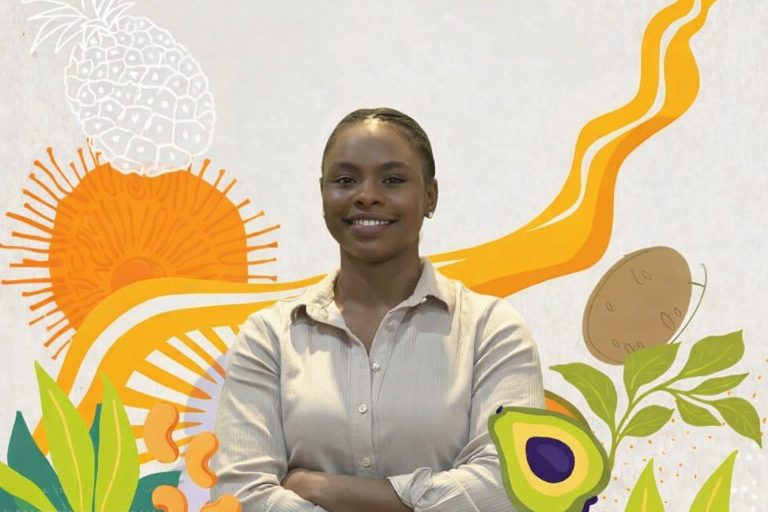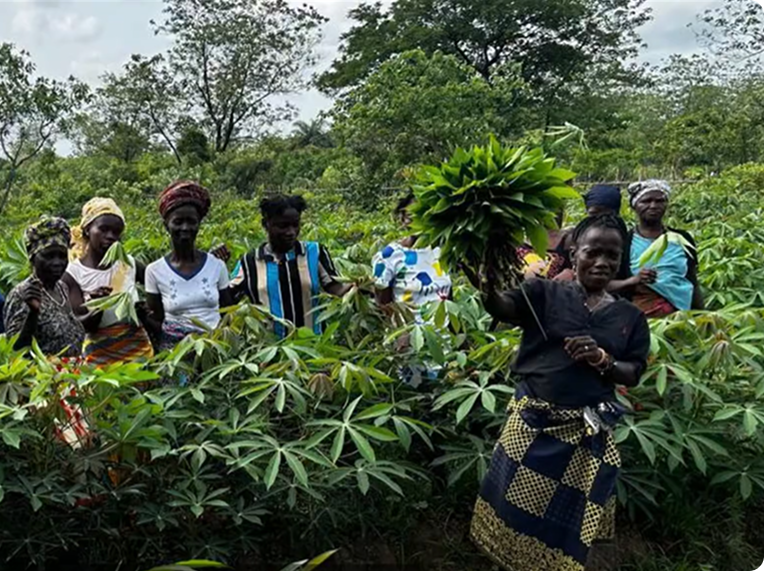
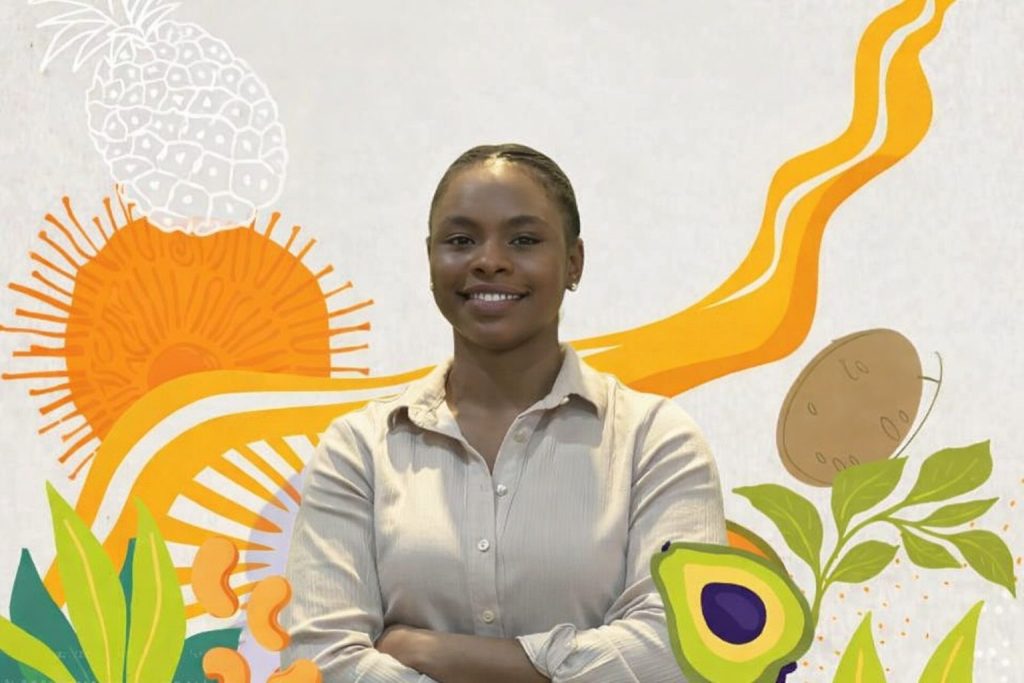
Adja Fatou Diop Ndiaye, 30, a young entrepreneur from Sierra Leone, is an inspiring figure. With program support, she has expanded her farm, increased yields, diversified her products, added value, hired more skilled workers, and grown her farming business. Her initial success has improved her family’s quality of life and created income-generating and livelihood opportunities for others in her community.
In 2015, Ms Adja Fatou Diop Ndiaye and her business partners founded MAF SL, Ltd., a limited liability company in Sierra Leone. MAF Ltd.’s mission is to positively impact the livelihoods of people and communities by promoting organic, sustainable and inclusive crop production systems while creating favorable social, economic and environmental conditions for their advancement.
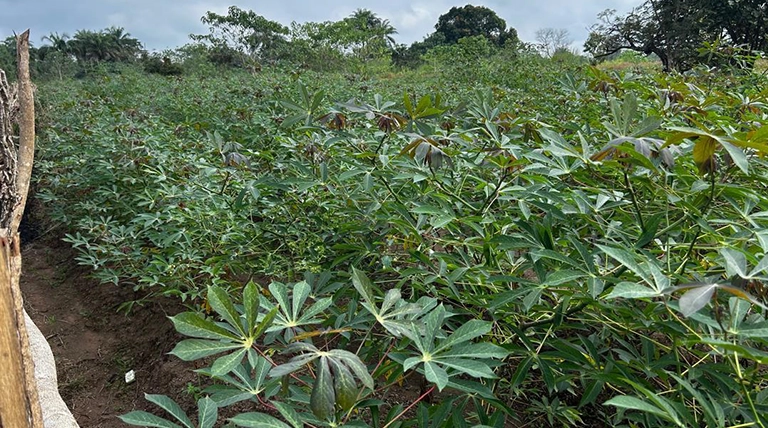
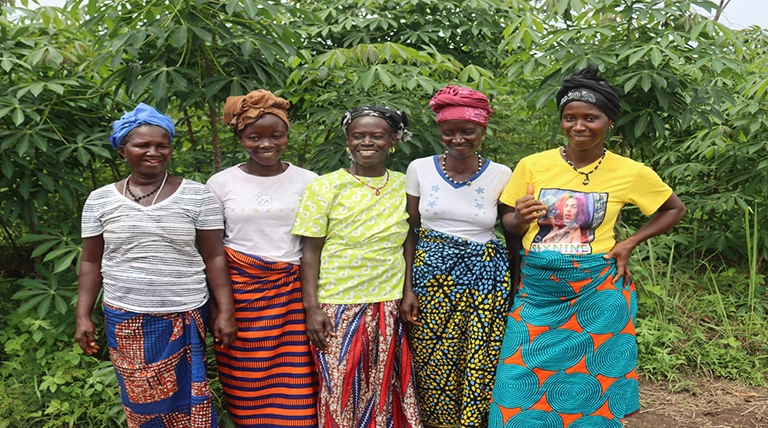
Over the years, MAF SL Ltd. has grown from a small farm to a medium-scale operation, owning 400 acres of farmland in Karene District and 10 acres in Kambia District. The company specializes in growing a variety of crops, including cassava, rice, vegetables, maize, cashew nuts, potatoes, pineapples and ginger. MAF SL Ltd. has also established an agro-processing project, which efficiently produces cassava, rice, maize, and cashew nuts on its 400-acre farm in Karene District. This production supports value-added processes and is supplemented by an out-grower scheme that actively engages 80% of women and youth from 10 communities in the district.
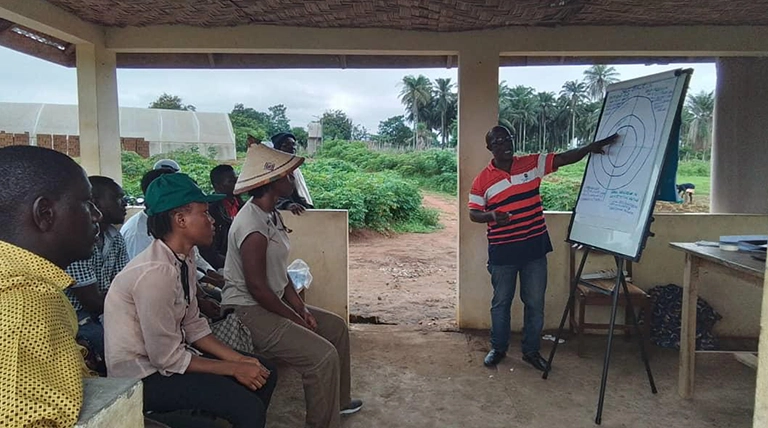
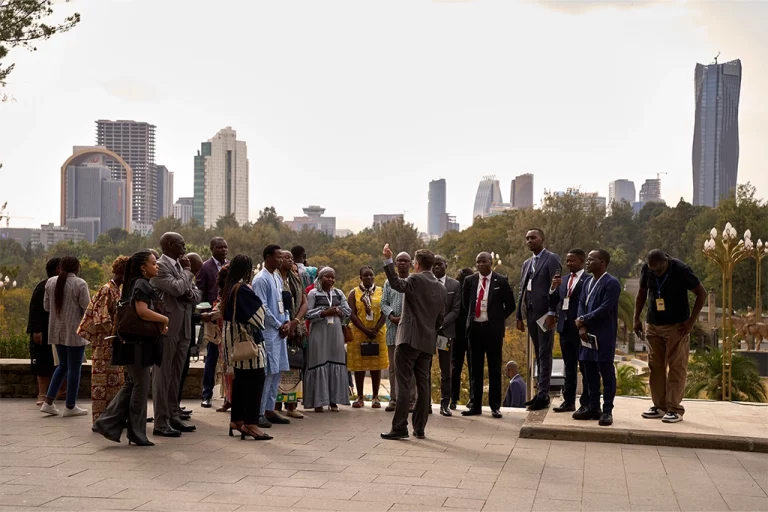
Ms Adja Fatou Diop Ndiaye attended a Cassava Value Chain Training program in Brazil, co-organized by EMBRAPA (the country’s national research and innovation institution), the Brazil-Africa Institute (IBRA), and ACBF. In addition to gaining exposure to international agribusiness development standards, she had the opportunity to network with fellow entrepreneurs, potentially paving the way for future collaborations and joint ventures in Sierra Leone and West Africa.
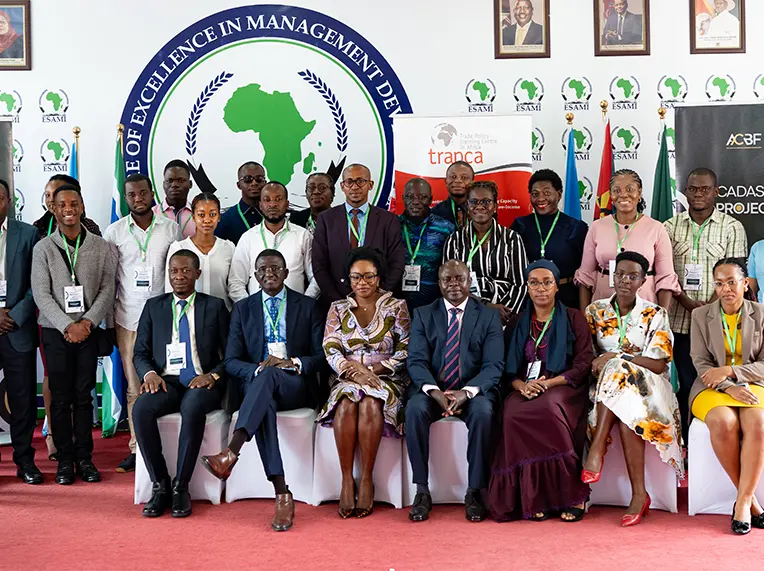
The Foundation and the Brazilian agribusiness ecosystem have signed a Memorandum of Understanding (MoU) with IBRA to further extend the benefits of similar training and mentorship programs within the context of SouthSouth bilateral cooperation. The Foundation and its partners aim to shape a more positive narrative of progressive, prosperous, and sustainable womenand youth-led agribusiness and food systems transformation in Africa by investing in and supporting a critical mass of rural entrepreneurs like those at MAF SL Ltd.
As illustrated by the example of Ms Adja Fatou Diop Ndiaye and MAF SL Ltd, the impact of ACBF Agribusiness and Food Sovereignty program extends far beyond individual success stories. By empowering women in agriculture, ACBF contributes to increased food security, reduces poverty, and strengthens local economies. Through their entrepreneurship, women drive economic growth, challenge traditional gender roles, and advance equity.